Veilwood Sanitorium: The Beginning

Updated: Mar 5
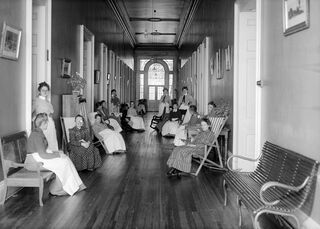
Veilwood Sanitorium was founded in 1893, at the edge of a dense stretch of forest locals once called The Whispering Veil. The land had long carried a reputation for strange sounds at dusk and heavy fog that seemed to roll in without warning. Despite the rumors, philanthropist and physician Dr. Alistair Veilwood purchased the property with a vision rooted in progressive mental health reform.
In the late 19th century, mental institutions were often overcrowded and harsh. Dr. Veilwood promised something different. Inspired by emerging European ideas about humane treatment, he designed the sanitorium around fresh air, sunlight, and isolation from the industrial noise of the growing cities. The main building featured wide windows, long therapeutic gardens, and shaded walking paths through the surrounding woods.
Construction was ambitious. The structure combined Gothic stonework with tall iron-framed windows meant to “let the mind breathe,” as Veilwood wrote in his journals. Patients were encouraged to garden, paint, and take supervised woodland walks. For its first decade, Veilwood Sanitorium was praised as a beacon of modern care.
However, from the very beginning, there were unsettling undertones. Workers claimed tools went missing during construction. Night watchmen reported hearing footsteps in unfinished corridors. A mason reportedly quit after insisting someone had scratched symbols into freshly laid mortar overnight that no one else could explain.
By the early 1900s, as patient numbers rose and funding declined, the idealistic vision began to fray. Staff shortages and overcrowding slowly eroded Dr. Veilwood’s humane model. Yet the institution’s mysterious reputation never faded. Locals whispered that the forest had not been as empty as Veilwood believed, that something older than the building itself had been disturbed when the foundations were dug.
Today, Veilwood Sanitorium’s beginnings are remembered as a blend of optimism and unease: a place built on reformist hope, standing on land that may never have wanted to be settled at all.


